
Managing a temporary site requires careful planning. Whether the space is being used for construction, renovation, roadwork, landscaping, a public event, or a private outdoor gathering, the site needs to be safe, clean, accessible, and organized. Without the right setup, people may enter restricted areas, materials may be left exposed, and workers or guests may not have access to proper restroom facilities.
Temporary fencing and portable toilet rentals are two practical services that help solve these common challenges. Temporary fencing creates clear boundaries and improves access control, while portable toilets support sanitation and comfort. Together, they help contractors, event organizers, and property managers create a better temporary environment.
Why Temporary Site Planning Matters
A temporary site can quickly become busy and difficult to manage. Construction crews, delivery drivers, equipment operators, guests, vendors, staff, and pedestrians may all be moving through or around the same area. Clear planning helps reduce confusion and supports a safer experience for everyone involved.
Working with a reliable provider such as Lennex can help make temporary site planning easier. With the right fencing and sanitation support in place, a site can be better prepared before work begins or before guests arrive.
The Role of Temporary Fencing
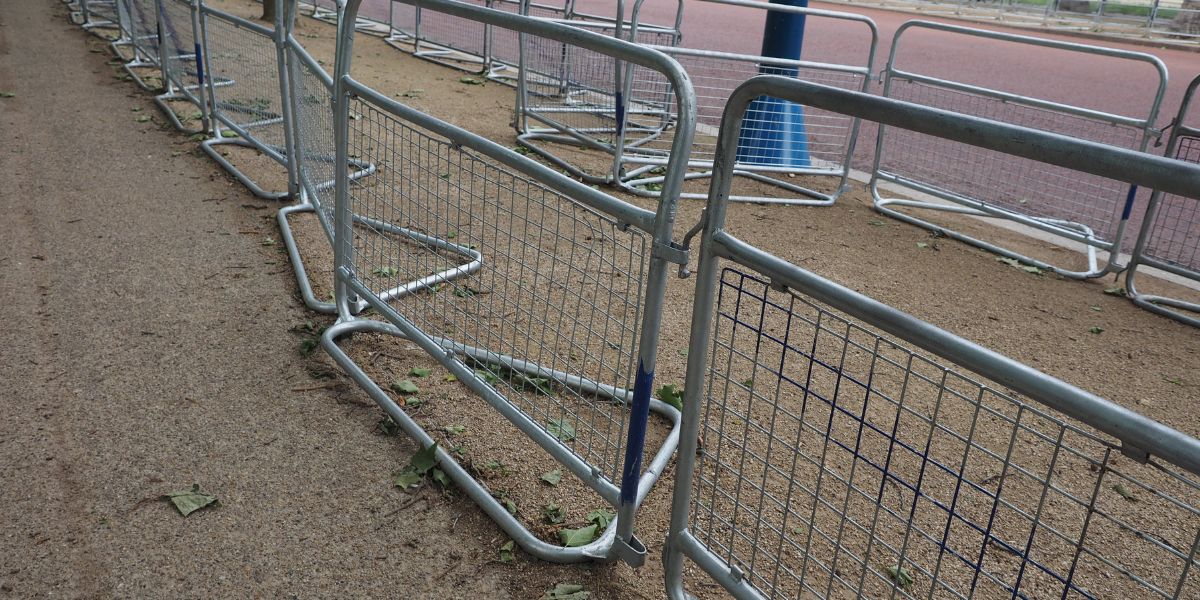
Temporary fencing is used to create a clear boundary around a site or specific area. It helps show where work is happening, where guests should go, and which areas are restricted. On construction sites, fencing helps separate the public from active work zones that may include tools, machinery, materials, and uneven ground.
Fencing can also be used to organize outdoor events. It can guide foot traffic, protect equipment, separate vendor areas, control entrances, and improve overall site flow. A clear fence layout helps people understand how to move through the space safely.
Temporary Fencing for Construction Sites
Construction sites often contain safety hazards that should not be accessed by unauthorized people. These may include heavy equipment, open areas, sharp materials, temporary structures, vehicles, or active crews. Temporary fencing helps reduce the chance of accidental entry and makes the site easier to supervise.
Contractors looking for Temporary Fence Toronto services can use temporary fencing for residential builds, commercial projects, demolition jobs, roadwork, renovations, infrastructure projects, and landscaping sites. A proper fence setup helps support safety, security, and professional site organization.
Controlling Access and Movement
Access control is one of the biggest benefits of temporary fencing. When a site has no clear boundary, people may enter from different directions and create safety concerns. Fencing helps guide approved workers, visitors, suppliers, or guests toward proper entry and exit points.
This is useful for both construction and events. On a job site, controlled access can help reduce trespassing and unauthorized entry. At an event, controlled access can help manage ticketing, guest flow, security areas, and restricted sections.
Protecting Equipment and Materials
Many temporary sites contain valuable items. Construction sites may have tools, lumber, machinery, generators, vehicles, and other materials. Outdoor events may have lighting, sound equipment, tents, tables, signage, and vendor supplies. Without proper boundaries, these items can be more exposed to theft, damage, or unauthorized use.
Temporary fencing helps create a more secure perimeter. It also helps keep storage areas separate from public or active work zones. This can improve organization and help reduce unnecessary risk.
Temporary Fencing for Outdoor Events
Outdoor events often require clear layout planning. Festivals, markets, sports events, concerts, community gatherings, and private functions may all need fencing to guide guests and protect certain areas. Fencing can help define entrance lines, seating sections, vendor areas, parking zones, and staff-only spaces.
When guests understand where to go, the event feels more organized. Staff can manage movement more easily, and restricted areas can be better protected. Temporary fencing can make an event feel safer, cleaner, and more professional.
The Importance of Portable Toilets
Portable toilets are essential for sites where permanent washrooms are not available or not enough for the number of people present. Workers, guests, vendors, staff, and volunteers all need access to clean and convenient restroom facilities. Without proper facilities, people may need to leave the site, which can create delays and inconvenience.
Portable toilets help support hygiene, comfort, and productivity. They are useful for construction projects, outdoor events, temporary work zones, seasonal spaces, and public gatherings.
Portable Toilets for Job Sites
Construction workers often spend long hours on site. Having portable toilets nearby helps reduce downtime and supports a more practical work environment. Workers do not need to travel off-site for basic restroom access, which helps keep the project moving.
Portable toilets should be placed where they are easy to access but not in the way of equipment, vehicles, deliveries, or emergency routes. Proper placement helps improve site function and keeps the workspace more organized.
Portable Toilets for Events
Outdoor events need enough restroom access to support guests comfortably. Poor restroom planning can lead to long lines, guest frustration, and cleanliness concerns. A well-planned restroom setup helps improve the overall event experience.
Event organizers searching for Portable Toilet Rentals Toronto can benefit from planning early based on expected attendance, event length, site layout, and available permanent facilities. The right setup can help keep guests comfortable and the event running smoothly.
Choosing the Right Number of Portable Toilets
The number of portable toilets needed depends on the size and type of site. A small construction project may need only a few units, while a large public event may require many more. The length of the event, number of workers or guests, food and beverage availability, and site layout can all affect the quantity needed.
Planning ahead helps prevent problems. Too few toilets can create long wait times and sanitation concerns. Proper planning helps ensure facilities are available where and when people need them.
Placement and Accessibility
Good placement is important for both fencing and portable toilets. Fencing should create useful boundaries while still allowing safe access for workers, visitors, or guests. Portable toilets should be easy to find, easy to reach, and placed in areas that can be serviced if needed.
On job sites, restroom units should be positioned safely away from major hazards while still being convenient for crews. At events, they should be placed in visible areas where guests naturally move. Accessibility and service access should both be considered when planning placement.
Supporting Cleanliness and Hygiene
Portable toilets support basic sanitation on sites that may not have permanent washrooms. Clean restroom access is important for worker comfort, guest satisfaction, and overall hygiene. For longer projects or larger events, regular servicing may be needed to keep units clean and functional.
A clean site creates a better impression and improves the experience for everyone. Sanitation planning should be considered early, not added as an afterthought.
Reducing Safety Risks
Temporary fencing and portable toilets can help reduce safety risks in different ways. Fencing helps keep people away from restricted or hazardous areas. Portable toilets reduce the need for people to leave the site or cross unsafe areas to find restrooms.
Together, these services help manage movement and reduce confusion. A site with clear boundaries and accessible facilities is easier to supervise and safer for workers, guests, and the public.
Improving Professional Appearance
A site that has proper fencing and restroom facilities looks more prepared and professional. For construction projects, fencing can show that the area is controlled and properly managed. For events, fencing and portable toilets show that guest safety and comfort have been considered.
This professional appearance matters to clients, neighbours, guests, workers, inspectors, and property owners. A clean and organized site reflects better planning and care.
Preventing Delays and Last-Minute Problems
Temporary site services should be arranged before work begins or before an event opens. Waiting too long can create scheduling problems, poor placement, or missing equipment. If fencing is not ready, the site may not be secure. If restrooms are not available, workers or guests may be inconvenienced.
Planning ahead allows delivery, setup, servicing, and removal to happen more smoothly. This helps contractors and organizers focus on the main project or event instead of last-minute site issues.
Useful for Many Types of Projects and Events
Temporary fencing and portable toilets are useful for many situations. They can support residential construction, commercial builds, roadwork, demolition, landscaping, festivals, concerts, sporting events, markets, community gatherings, private functions, and seasonal outdoor spaces.
Because they are temporary and flexible, these services can be adjusted as a site changes. Fencing can be expanded or repositioned, and portable toilets can be added or moved based on demand.
Creating Safer and Cleaner Temporary Spaces
Temporary fencing and portable toilet rentals are simple services, but they play an important role in site management. They help protect people, secure property, organize movement, support sanitation, and improve the overall experience for workers and visitors.
Whether the site is a construction project, outdoor event, public gathering, commercial property, or temporary work zone, the right setup can make everything easier to manage. With proper planning, temporary spaces can stay safer, cleaner, more organized, and better prepared from beginning to end.